
AGH Space Systems
AGH Space Systems: Rocket Engineering, Software and Team Success
If you like rockets, space projects and proper hands-on engineering, this is probably one of the most interesting parts of my journey.
Before I moved deeper into software and product, I was a robotics Master’s student on AGH Space Systems, an engineering team from AGH University of Science and Technology in Kraków. The team worked on ambitious space-related projects, including sounding rockets, planetary rovers, CanSat probes and stratospheric balloons.
In 2018, we competed at the Spaceport America Cup in New Mexico, one of the most prestigious student rocketry competitions in the world. We finished 2nd with our liquid-powered rocket project.
There is also a full technical report from the competition, which is around 100 pages long. It goes deep into the rocket architecture, propulsion, avionics, telemetry, ground station and test procedures. If you are into this kind of engineering, it is definitely worth reading.
Project Report - Spaceport America 2018
It is 100 pages long, but trust me, it's worth it 😉
Building Rockets From Scratch
At AGH Space Systems, we were not just assembling parts from a catalogue.
We were building real engineering systems from the ground up, with mechanical structures, propulsion, avionics, recovery systems, telemetry, software and launch operations all having to work together.
One of the rockets was Panda 3, a hybrid-powered rocket designed to reach 10,000 feet, roughly 3 km. It carried a 4 kg payload and used onboard electronics for data collection, flight monitoring and recovery. The system included sensors such as a barometer, accelerometer and gyroscope, and it relied on a two-stage recovery system to bring the rocket safely back to the ground.
The more ambitious project was Turbulence.
Turbulence was our liquid-powered rocket, designed for the 30,000 ft category, close to 9 km altitude. It was built as a single-stage rocket for the 2018 competition, but the wider architecture was part of a more ambitious modular rocket system.
That was the real jump in complexity.
Liquid propulsion changes everything. The software, telemetry, valve control, fueling procedure, safety checks and launch sequence all become much more demanding. It is no longer just about building a rocket that flies. It is about building a system that can be tested, monitored, controlled and safely operated under pressure.
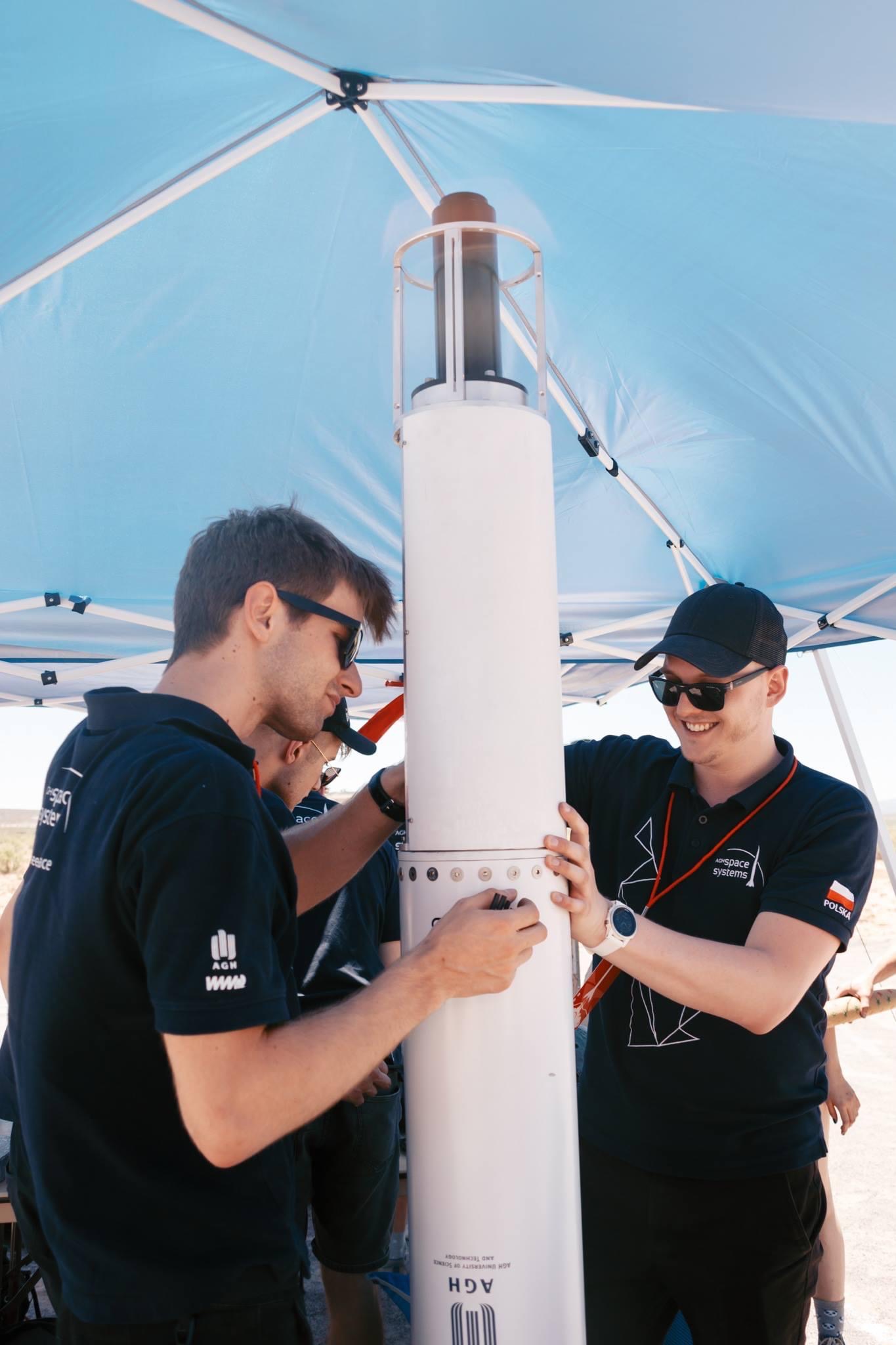
Rocket assembly - Spaceport America Cup 2018 (feat. Przemyslaw Drozdz and Piotr Wolanski)
My Role: Rocket Software and Ground Station
My main focus was on the Rocket Software, especially the Ground Station.
This was one of the most important parts of the whole system because it connected the human operators to the rocket. The Ground Station gave us visibility and control over telemetry, fueling, engine testing and launch operations.
Together with another team member, we built the Ground Station software as a dedicated Python-based operating system for the rocket. It was not a simple dashboard. It was the software layer that supported the entire launch workflow.
It handled real-time telemetry, communication with onboard systems, launch preparation, fueling, static-fire tests, and the final launch sequence.
The Ground Station had dedicated modes for:
- hybrid engine testing
- liquid engine testing
- fueling
- launch operations
It also displayed key live data such as pressure readings, valve states, hardware status, voltages, telemetry frames, altitude, velocity, acceleration, mass, pitch, roll, yaw and GO/NO-GO indicators.
In practical terms, this meant that instead of standing next to a dangerous pressurised system, operators could remotely monitor and control the rocket from a safer distance. That was critical for fueling, ignition and static fire testing.
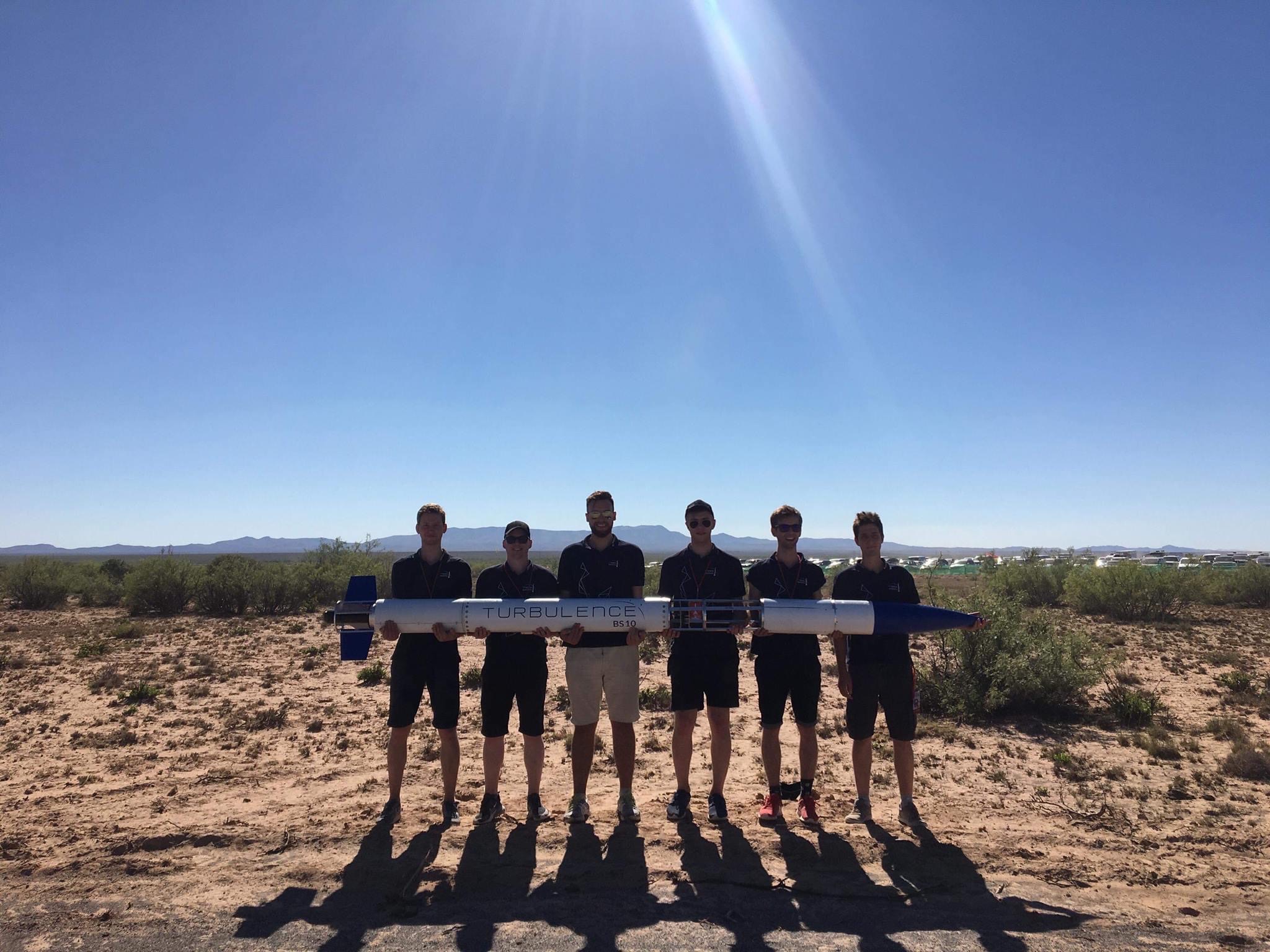
"Turbulence" rocket and the team (Tomasz Palacz, Piotr Wolanski, Michal Juszczyk, Mateusz Rajzer, Przemyslaw Drozdz, Tomasz Tatara)
Software That Had to Work in the Real World
What made this experience so valuable was that the software had immediate physical consequences.
If a normal web app fails, you refresh the page.
If rocket ground station software fails during fueling, engine testing or launch, the consequences are much more serious.
That forced us to think differently. The system had to be clear, reliable and understandable under stress. Operators needed to know what was happening, what state the rocket was in and whether it was safe to move to the next step.
The Ground Station was also used during testing. The report confirms that the Ground Station integration and communication test was successful, with commands issued to a simulated rocket system across hybrid engine test, liquid engine test, fueling and launch scenarios, with no anomalies found.
That was a big part of the engineering mindset I took from this project: software is not just code. Software is part of the machine.
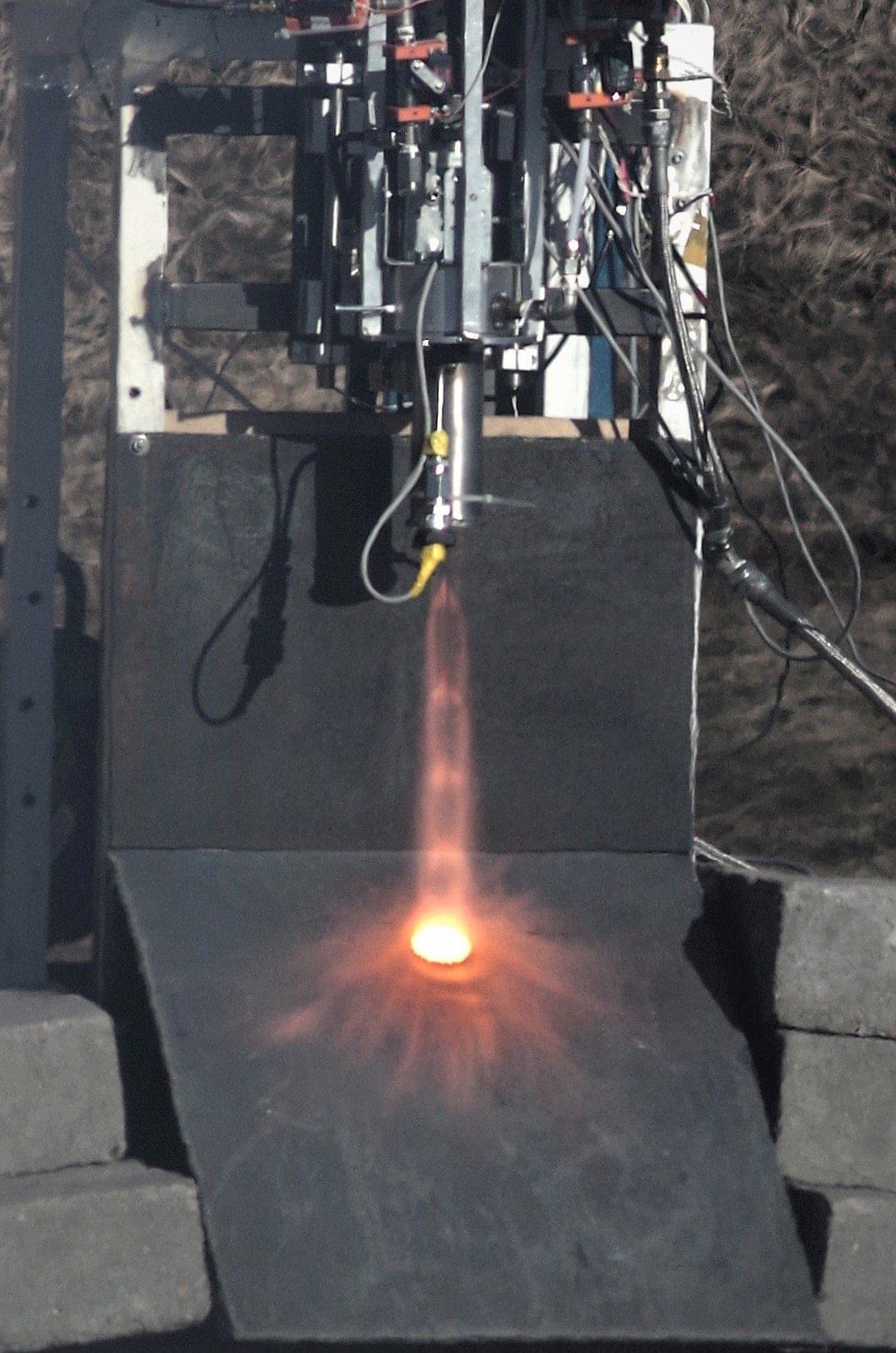
Static fire test - hybrid-powered engine
Telemetry, Avionics and Recovery
The rocket itself was supported by a complex set of onboard electronics.
Telemetry allowed the rocket to broadcast data from its sensors, including altitude, GPS position and module voltages. The system also included tracking and recovery logic, so the team could locate the rocket after landing even if one communication method failed.
This was a very strong example of systems engineering.
The rocket was mechanical, electrical, software-driven and operational all at the same time. Every subsystem had to work with the others. Propulsion needed avionics. Avionics needed software. Software needed reliable communication. Recovery needed accurate data. The launch team needed all of it to be visible and controllable from the ground.
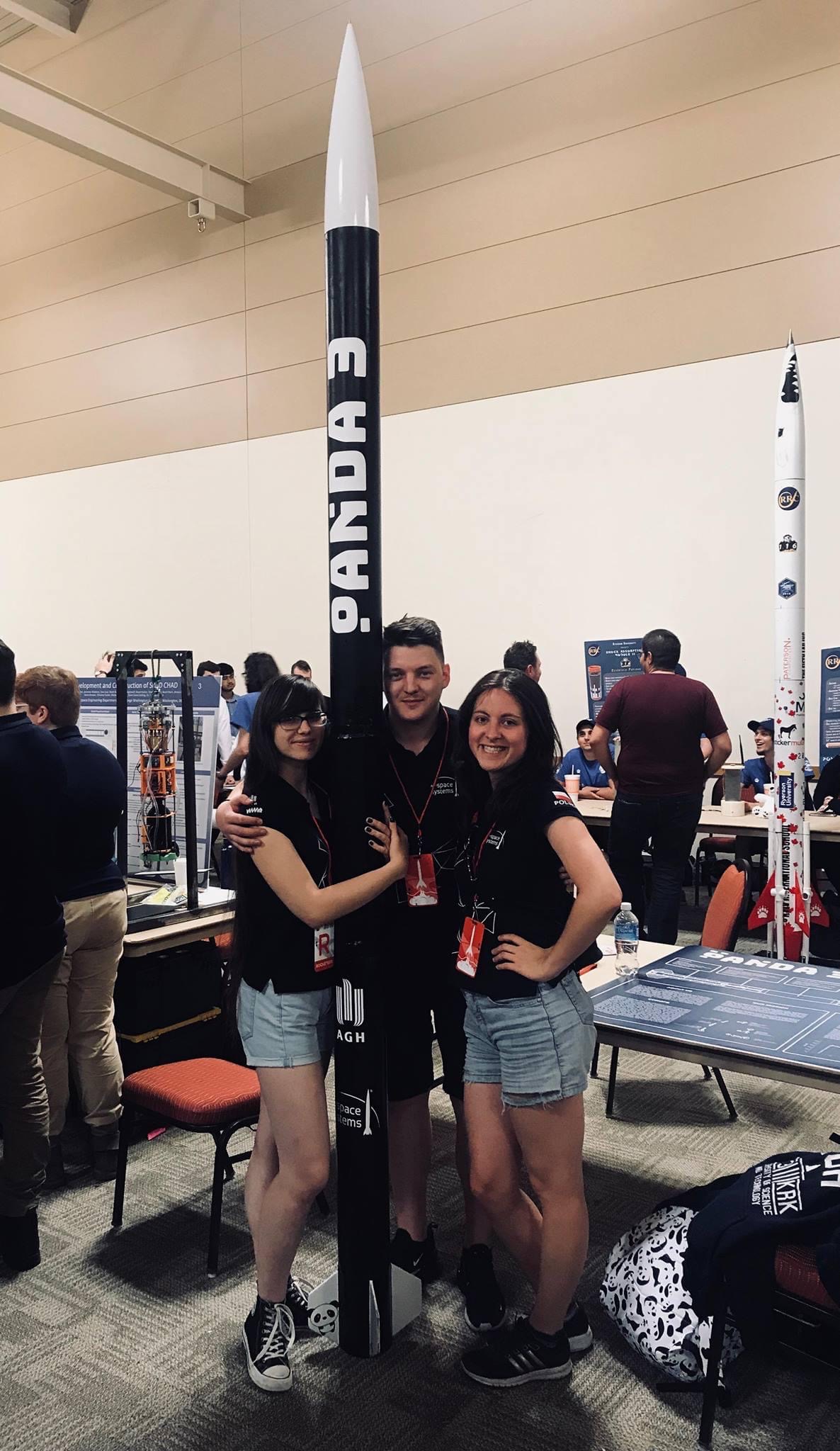
"Panda 3" hybrid-powered rocket (feat. Dagmara Stasiowska, Piotr Wolanski and Agata Zwolak)
Spaceport America Cup 2018
All of this work came together at the Spaceport America Cup in 2018.
We managed to secure 2nd place with our liquid-powered rocket and the broader system we built around it. For a student team from Poland, competing internationally against some of the best university rocketry teams in the world, this was a huge achievement.
It was not just about the rocket itself.
It was about the team, the engineering discipline, the long nights, the testing, the failures, the fixes and the ability to bring a complex system together under real competition pressure.
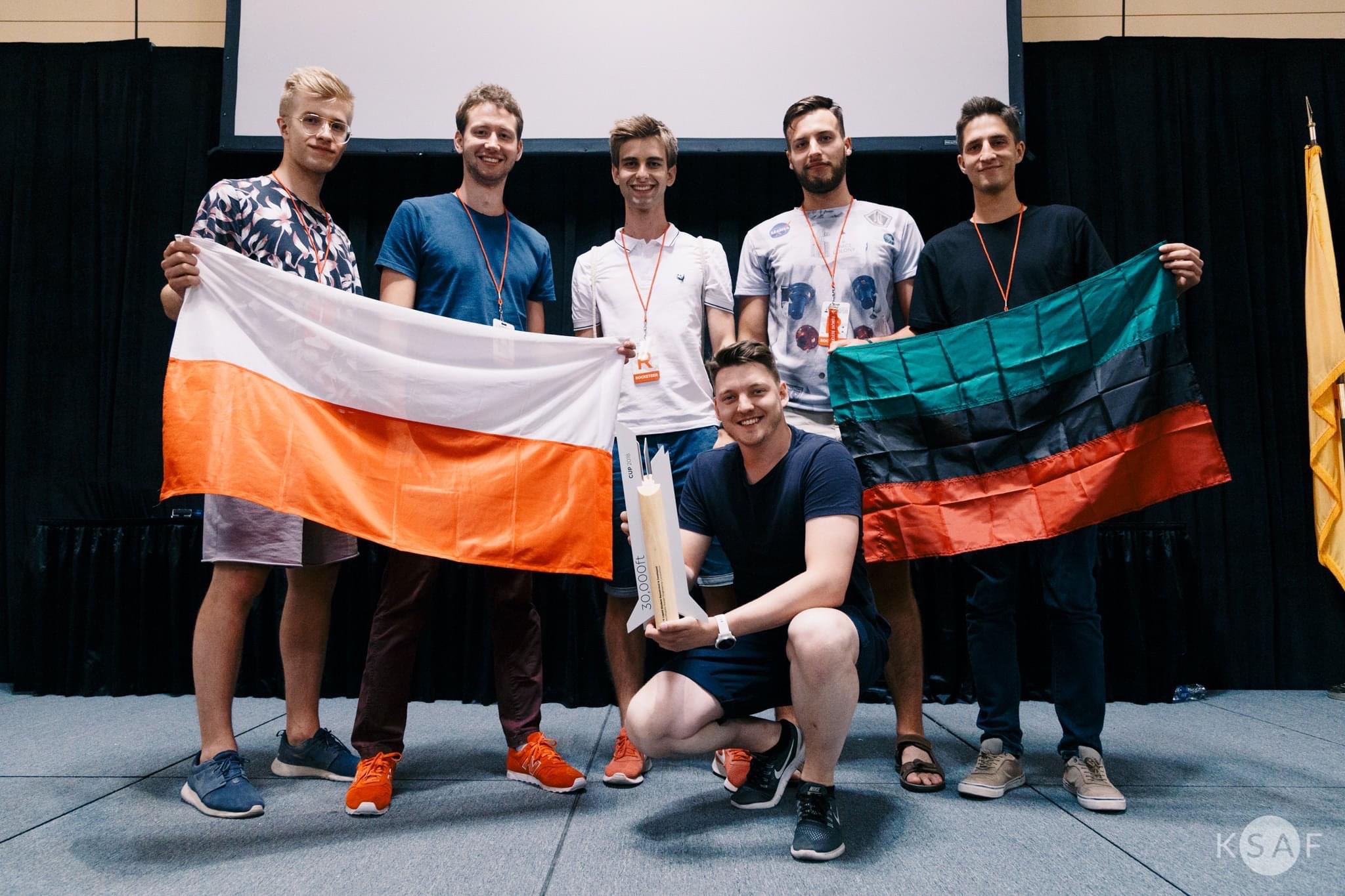
2nd place award - Spaceport America 2018
What I Took From It
AGH Space Systems taught me a lot about engineering.
It taught me how to build software that interacts with hardware. It taught me how important testing is. It taught me how much can be achieved by a small, focused team when everyone takes ownership of their part of the system.
Most importantly, it showed me that software becomes much more powerful when it is connected to the real world.
The Ground Station was not just an interface. It was the control layer for a rocket. It helped us test engines, monitor telemetry, control fueling and support the launch sequence.
That experience still shapes how I think about building products today: the best systems are not just technically impressive. They are reliable, operationally useful and built to help people make better decisions in high-pressure environments.
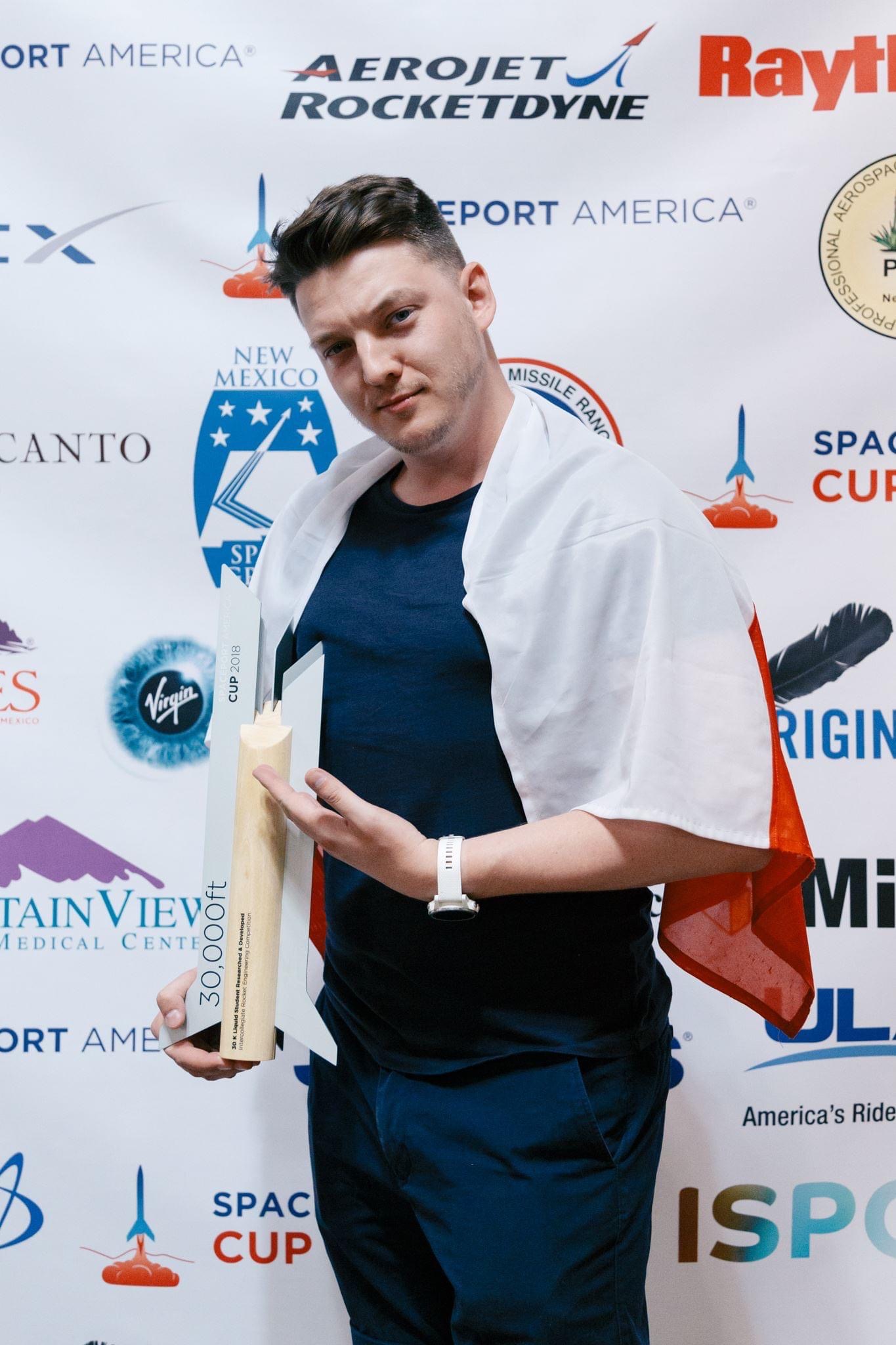
M.Eng, Piotr Wolanski with the 2nd place award at Spaceport America 2018
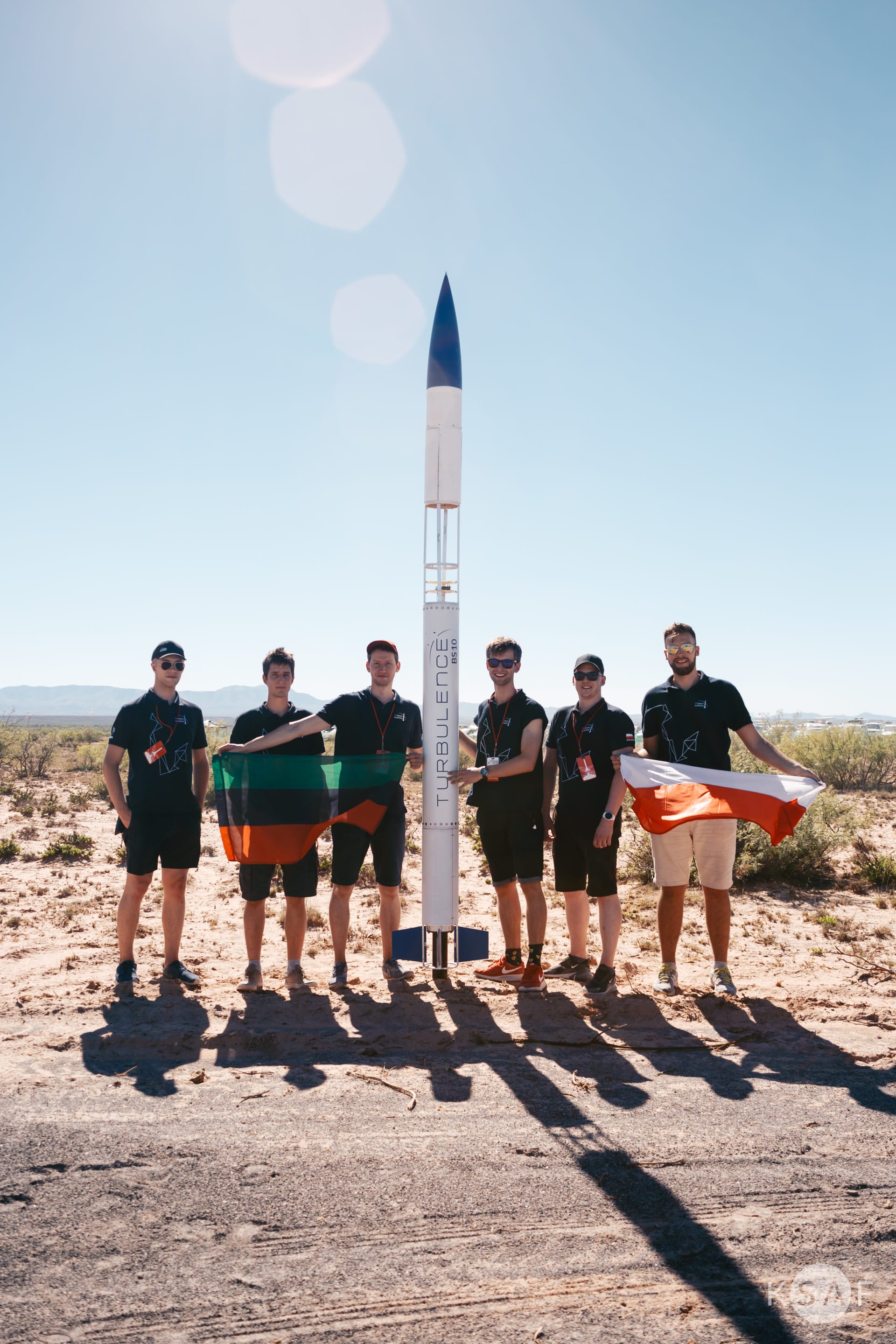
"Turbulence" Rocket