
Woodward
Solving Real Supply Chain Problems at Woodward
At Woodward Inc., I worked as a Software Engineer on a very practical problem: how do you keep production running when critical electronic components suddenly become unavailable?
Woodward builds high-end control systems for energy, aerospace and industrial applications. These systems are used by major customers such as Caterpillar, Honeywell, MAN, Pratt & Whitney and Rolls-Royce. The products sit inside large-scale engines, gas turbines, wind turbines, power generation systems and other mission-critical equipment.
So when one small electronic component reaches end-of-life or becomes difficult to source, it is not just a procurement issue. It can delay production, create major costs and disrupt customers that depend on these systems.
Building a Product Change Notification System
To help solve this, we built a system around Product Change Notifications, or PCNs.
The goal was simple: give the business earlier visibility into component changes, supplier notices and end-of-life risks. Instead of reacting too late, sales, engineering and procurement teams could see what was changing, understand the impact and decide how many components needed to be purchased in advance.
This helped Woodward plan production more effectively and avoid shortages across products used by some of the largest industrial companies in the world.
Managing End-of-Life (EoL)Component Risk
One of the biggest challenges in electronics manufacturing is the End-of-Life phase.
When a component is discontinued, you often have one final chance to buy enough stock to support future production and maintenance. Getting this wrong can be extremely expensive.
At Woodward, the system helped identify these risks early and support better decisions around last-time buys. This created significant savings, in some cases reaching millions, while also reducing the risk of production delays.
It was a good example of software directly improving a real operational process, not just creating another internal tool.
Joining the Core Team in Fort Collins
After the successful deployment of the system, I joined Woodward’s Core Team at the Fort Collins headquarters.
This team worked on a platform used to upload and update software across a wide range of Woodward devices. These included energy controllers, gas and wind turbine systems, and devices used by Airframe Systems.
The scope was broad, from industrial energy systems to aerospace and maritime applications. It gave me exposure to software that had to be reliable, scalable and safe because it supported real-world hardware operating in critical environments.
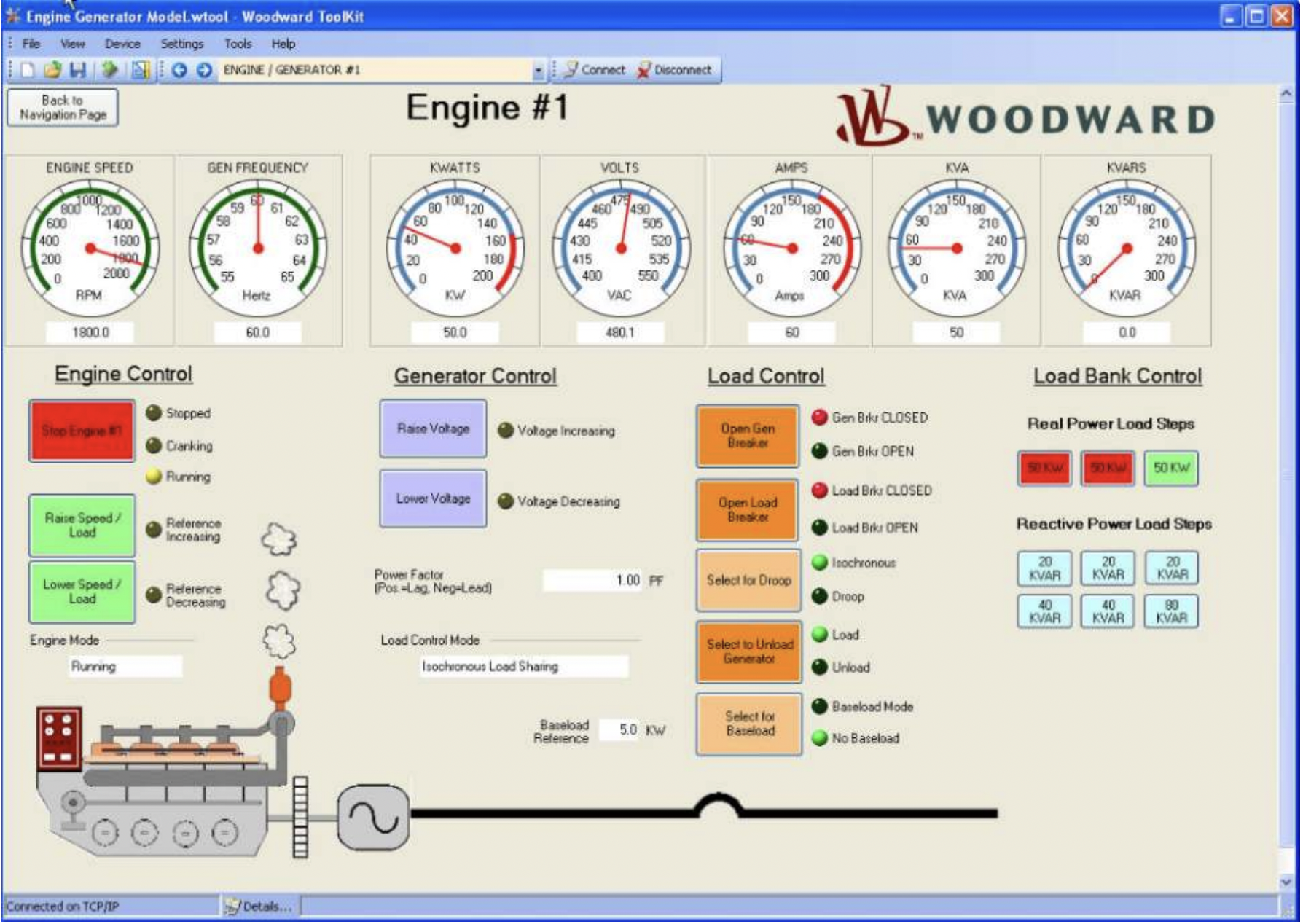
Woodward Toolkit
Key Takeaway
My time at Woodward showed me how valuable good software can be when it is connected to a real business problem.
This was not about building technology for the sake of it. It was about giving teams the information they needed to make better decisions, reduce risk and keep complex supply chains moving.
That experience shaped the way I think about software today: the best systems are the ones that make difficult operational decisions easier, faster and more reliable.
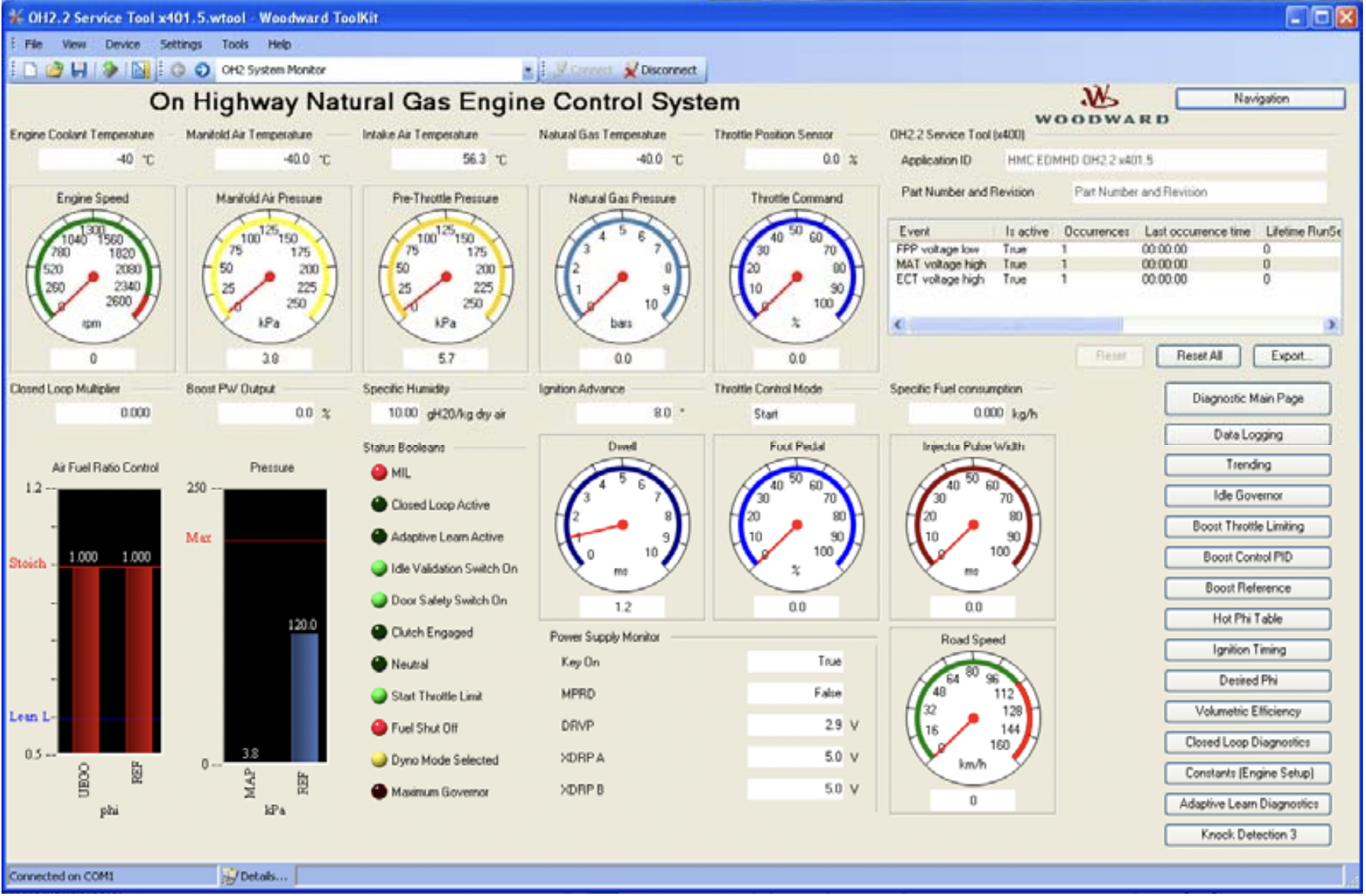
Woodward - Natural Gas Engine Control System